Every question counts. ✊
🫀
Did you know?
Your heart beats ~100,000 times a day — roughly 3 billion beats in a lifetime.
Did you know?
Your heart beats ~100,000 times a day — roughly 3 billion beats in a lifetime.
Among the following, the reaction that proceeds through an electrophilic substitution is:
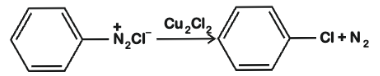
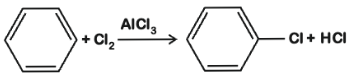
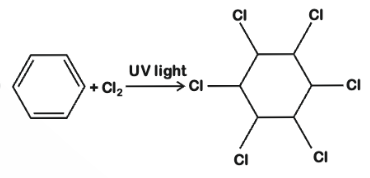
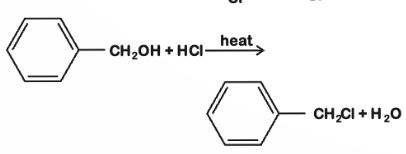
To determine which reaction proceeds through electrophilic substitution, let's analyze each option:Option 1:The reaction involves the conversion of a diazonium salt to a chlorobenzene using This is a Sandmeyer reaction, which proceeds through a radical mechanism, not electrophilic substitution.Option 2:The reaction is the chlorination of benzene using in the presence of This is a classic example of electrophilic aromatic substitution (EAS), where the acts as the electrophile.Option 3:The reaction involves the addition of chlorine to benzene under UV light.This is a free radical substitution, not electrophilic substitution.Option 4:The reaction involves the conversion of benzyl alcohol to benzyl chloride using HCl.This is a nucleophilic substitution reaction, not electrophilic substitution.Therefore, the correct option is Option 2, where the reaction proceeds through electrophilic substitution.Correct Option: 2
More practice, more score
Use hints to get start solving
Ask any question, get instant answers
Get detailed step by step solutions
Read while solving
Improve every day